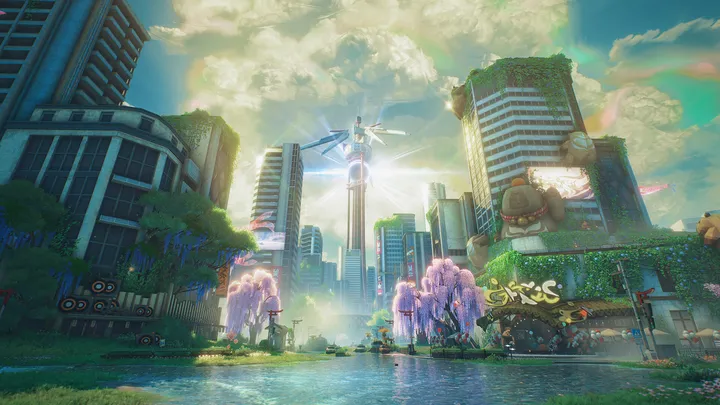

Infinity Nikki has captivated audiences with its stunning visuals, engaging gameplay, and intricate fashion mechanics. Players immerse themselves in the vibrant world, crafting outfits and participating in competitive dressing competitions. However, a significant issue prevalent in the game is its gacha mechanics, which influence player experience, financial investment, and overall enjoyment. This article explores the complexities surrounding gacha systems in Infinity Nikki, examining their impact on gameplay, the psychological aspect of spending, and the implications for player satisfaction.
Understanding Gacha Mechanics in Infinity Nikki
Gacha mechanics are a staple in many mobile games, particularly within the RPG and fashion genres. In Infinity Nikki, these mechanics govern how players obtain outfits, accessories, and various in-game items.
What Are Gacha Mechanics?
Gacha systems simulate a toy vending machine, where players spend currency to receive randomized virtual items. The excitement stems from the thrill of potentially obtaining rare or desirable items.
Currency Types
In Infinity Nikki, there are several types of currency involved in gacha mechanics:
- Diamonds: The premium currency used for high-stakes gacha pulls.
- Coins: In-game currency that can be used for lower-tier pulls.
- Special Tokens: Occasionally provided during events, allowing players to access unique items.
The Role of Rarity
Items obtained through the gacha system are classified by rarity, affecting their desirability and the likelihood of acquisition. In Infinity Nikki, rarer outfits often come with higher combat stats or artistic flair, adding an additional layer of motivation for players to pursue them.
Rarity Tiers
- Common: Basic items with minimal aesthetic appeal.
- Uncommon: Slightly more fashionable, often recommended for beginners.
- Rare and Epic: Highly desired items that typically perform the best in dressing competitions.
The Psychological Impact of Gacha Systems
Gacha mechanics trigger various psychological responses in players. The excitement of acquiring new items often translates into a mindset that encourages further spending.
The Thrill of Acquisition
The randomized nature of gacha systems creates a sense of excitement. Players experience dopamine hits when they receive prizes, especially if they are rare or highly sought-after.
The Gambling Aspect
Many players liken gacha pulls to gambling, as the excitement hinges on luck rather than skill. This can create a compulsion to continue pulling, regardless of the financial implications.
Spending Behavior
As players continue to engage with gacha systems, spending behavior can shift. The fear of missing out (FOMO) on exclusive items can lead to increased expenditure.
Consequences of Impulsive Spending
- Financial Strain: Players may find themselves overspending, leading to potential financial consequences.
- Diminished Enjoyment: Over time, the thrill may diminish, especially if spending leads to disappointment in item quality.
Balancing Gameplay and Gacha Systems
A critique of gacha games often revolves around balance—or lack thereof—between gameplay mechanics and gacha systems. In Infinity Nikki, this balance is crucial for maintaining long-term player engagement.
The Challenge of Item Acquisition
While the thrill of the gacha system is evident, players may struggle with the acquisition of high-value items. If the system is perceived as unfair, players might lose interest.
Ensuring Fair Access
Developers must ensure that even free-to-play players have opportunities to obtain desirable items without spending exorbitant amounts. Balancing this aspect is vital for maintaining community support.
The Importance of Non-Gacha Elements
To create a fulfilling player experience, alternative pathways for acquiring outfits should exist, allowing players to enjoy the game without being overly reliant on gacha pulls.
Examples of Alternative Acquisition
- Crafting Systems: Introduce crafting options where players can gather materials to create outfits.
- Quests and Events: Offer exclusive items through quest rewards instead of solely relying on gacha mechanics.
Community Reactions to Gacha Mechanics
The reception of gacha mechanics largely depends on community sentiment. Players’ attitudes can significantly affect the longevity and appeal of the game.
Positive Community Engagement
For some players, the thrill of obtaining stylish outfits fosters a vibrant community. The sharing of rare items can create bonds among players.
Community Celebrations
- Showcasing Rare Outfits: Players often celebrate when acquiring rare items and share their findings on social media.
- Competitions: Dressing competitions encourage community participation, spotlighting creativity and prompting more players to engage with gacha pulls.
Negative Backlash
Conversely, dissatisfaction with the rarity and quality of items may lead to significant backlash. Players might take to forums and social media to voice their grievances.
Examples of Criticisms
- Poor Drop Rates: Players frequently complain about low chances of obtaining desired items.
- Pay-to-Win Accusations: The perception that monetary investment is necessary to acquire high-value items can alienate free-to-play users.
The Future of Gacha Mechanics in Infinity Nikki
As Infinity Nikki continues to develop, the landscape of gacha mechanics will likely evolve. Players will eagerly anticipate improvements that enhance gameplay and resource acquisition.
Challenges and Opportunities
- Finding the Right Balance: Developers face the challenge of ensuring equitable access while still incentivizing in-game purchases.
- Incorporating Player Feedback: Listening to player feedback will help guide future updates and gacha system adjustments.
Implementing Better Mechanics
Innovative approaches to gacha mechanics can enhance player satisfaction while minimizing feelings of frustration or disengagement.
Strategies for Improvement
- Transparency: Clearly communicating drop rates could improve player trust.
- Limited-Time Events: Introduce seasonal events with guaranteed rewards to maintain excitement and engagement without overwhelming players.
The Economics of Gacha Systems
The financial implications of gacha mechanics extend beyond individual player experiences, influencing the broader gaming market.
Revenue Generation
Gacha mechanics are particularly lucrative, as they encourage continuous spending from players. This creates a revenue stream that supports ongoing development and updates.
The Role of In-Game Purchases
- High-Value Currency Packs: Players often buy packs of diamonds or special tokens to maximize their chances of obtaining rare items.
- Battle Pass Models: Incorporating a seasonal pass can offer new outfits and bonuses, encouraging recurrent spending.
Sustainability of Gacha Games
For developers, sustaining a profitable gacha-driven game requires constant innovation and engagement strategies to keep the player base active and satisfied.
Long-Term Strategies
- Ongoing Additions: Regularly introducing fresh content keeps players engaged.
- Community Events: Promoting in-game events can foster community spirit while encouraging spending.
Conclusion
Gacha mechanics in Infinity Nikki present a multifaceted issue that shapes player experiences, influences spending behavior, and impacts community engagement. While they provide excitement and reward, they can also lead to frustrations when not balanced with fair access to items. The developers must carefully navigate these mechanics, listening to player feedback and introducing alternative acquisition methods to enrich gameplay. A focus on transparency, innovation, and understanding player psychology can serve to enhance the overall experience, ensuring both player satisfaction and the game’s longevity.